

Fort Pulaski
While I do normally prefer to make art from experiences, I felt that these photos from Fort Pulaski spoke for themselves. At the time of this writing, the fort is a ruins, and a monument to violence against our fellow humans.
In 1862, the Union Army bombarded Fort Pulaski from Tybee Island for more than 30 hours. The munitions penetrated the walls, and crumbled the façade. Ultimately, the Confederates surrendered.
It was unfathomable how the fort, with its 5 to 11 foot thick walls, would be reduced to rubble from so far away. The inside of the walls is made up of layers of handmade bricks.

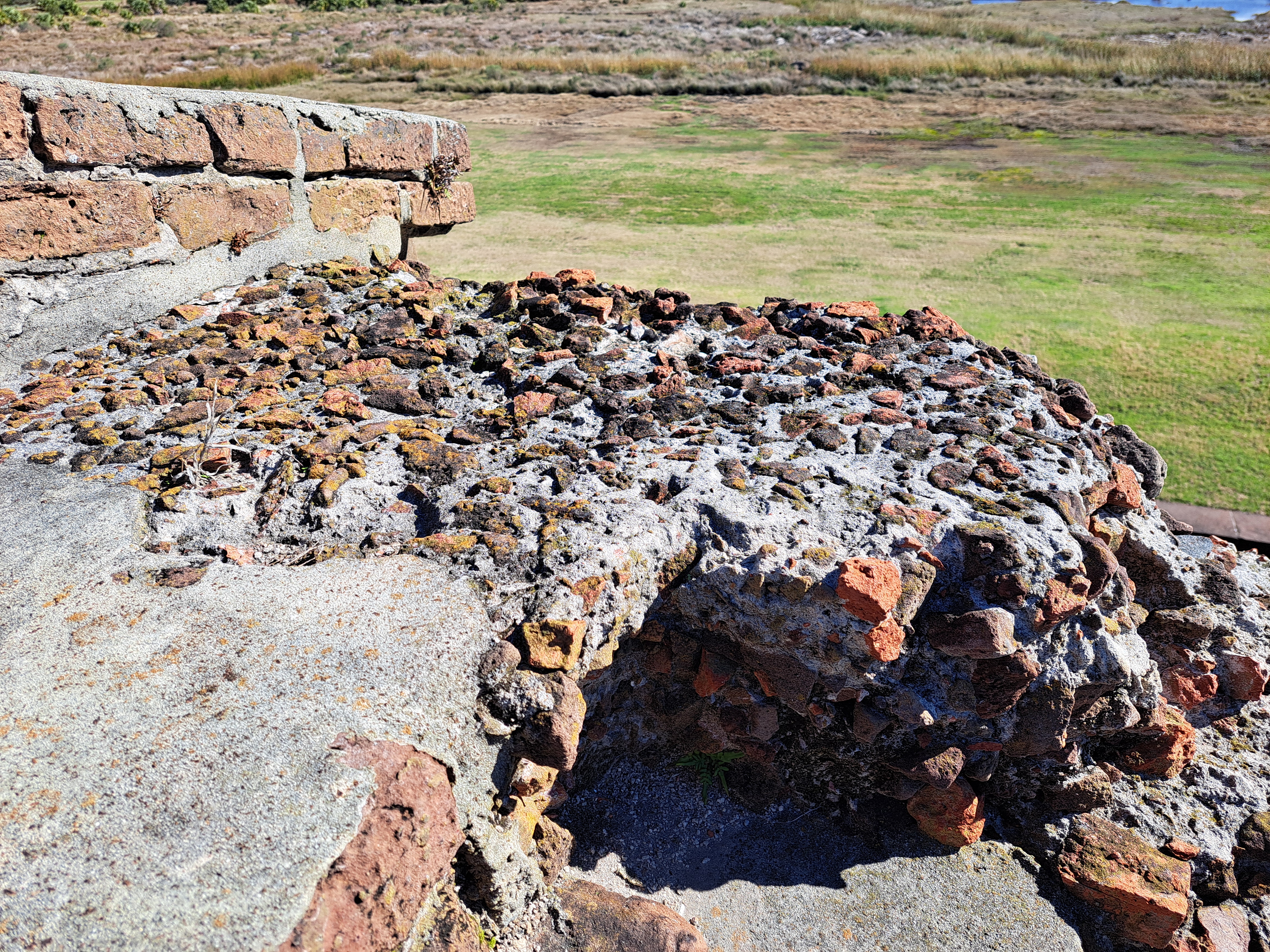
These bricks are where the hidden violence comes to light
As I mentioned before, the bricks were handmade. First clay is gathered, ground, mixed with stabilizers, and pressed into molds. They are then surface dried and released from the molds. They are set out to fully dry before use.
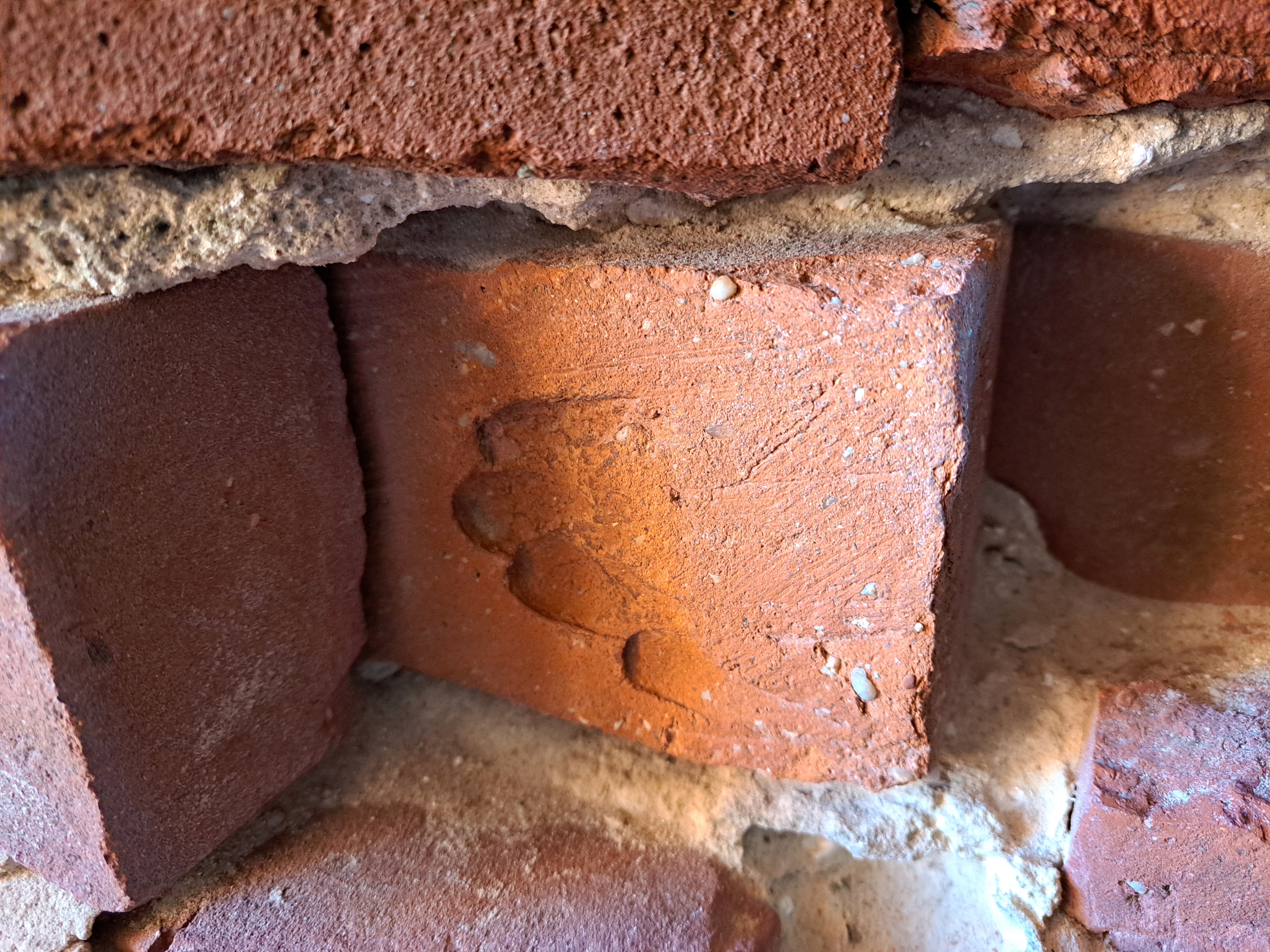
During the Civil War, slaves did this labor. Many were children who were too young “to be of use” for other labor. As the bricks were molded, turned out, and flipped, the imprints of these young children were made. Professional brick layers at the time were told to make sure they laid the handprints of the slave children so they could not be seen.
The bombardment of Fort Pulaski exposed the violence within the system. Visitors to the National Park can size them up, and see them in real time. This evidence of violence can’t be written out of the walls.
 J. Brakefield Fine Art